

Where to Stay in the Blue Mountains: A Town by Town Guide
Deciding where to stay in the Blue Mountains comes down to five towns: Katoomba, Leura, Blackheath, Wentworth Falls and Medlow Bath. I’ve been coming up here for over 20 years, and each one suits a different kind of trip.
If you’ve decided the mountains deserve more than a day trip, good call. This guide breaks down what each town is actually like, plus specific hotels, B&Bs and cottages in each, so you can work out the best fit for your plans and your budget.
On this page:
- What each town offers, and who it suits
- Specific places to stay in each area
- Where to stay without a car
- Options for romantic trips, family stays and tight budgets
You can do the Blue Mountains in a day, but it’s even better when you take your time!
This page contains affiliate links. You can find our full disclosure policy here.
If you plan on driving up for your visit, check out our guide to planning a road trip to the Blue Mountains. If you have not read much about the region, it might be useful to start here with our guide to the Blue Mountains for a bit of background.
Quick Planning Notes
- Best time to visit is late April to mid-May for autumn colours.
- Book 1-2 months ahead, especially during festival season (March, June, August, October-November).
- You don’t need a car if staying in Katoomba or Leura, but it’s helpful for Blackheath and Medlow Bath.
- Trains connect all villages, though most walks start 2km from stations.
The Blue Mountains Villages
The Upper Blue Mountains are home to several villages, each with a different feel, and I am sure there is one that will be perfect for you. We have stayed in each of these villages, and below, we share our thoughts to help you make your choice. Location is less important if you have a car and are happy to drive to dinner in the evenings.
Map of the Blue Mountains areas
We have also listed our favourite Blue Mountains town on this map
Wentworth Falls
Wentworth Falls is a village as well as the waterfall it’s named after. The name comes from a hut called Weatherboard, built on the site in 1814. It’s a bit of an artists’ town these days, though plenty of residents still commute into Sydney for work.
The National Park here has some of the best walking tracks in the mountains, including a few that take you past waterfalls. The falls themselves are worth seeing after rain, but drop right down in dry weather, so it’s worth checking conditions before you go. One walk from the village follows the same route Charles Darwin took back in 1836.
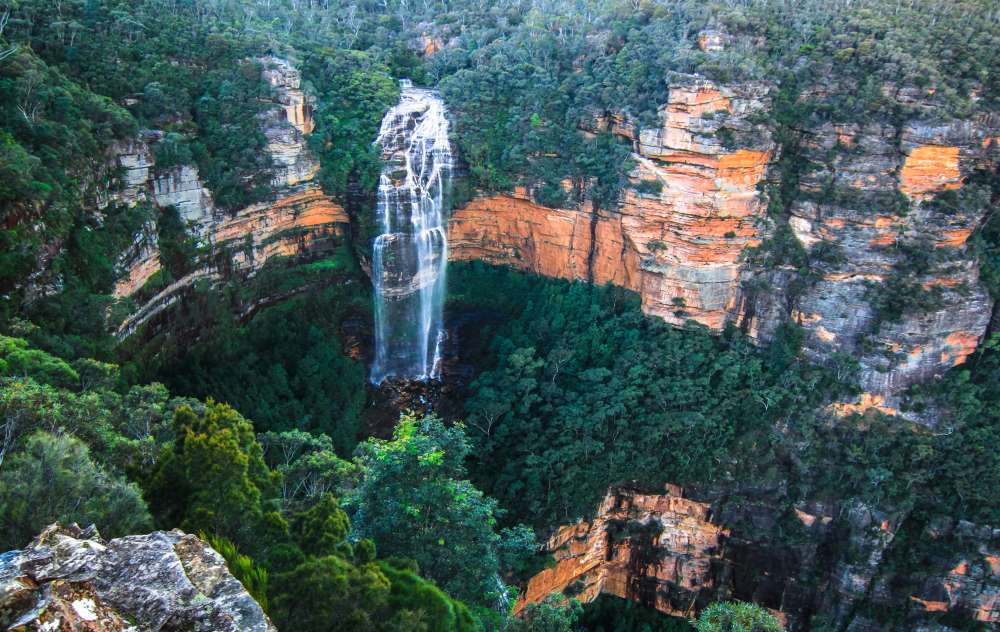
The town centre is small, with a handful of independent shops and decent cafes. Between the station and the national park you’ll pass art deco homes built on large blocks between the 1900s and 1930s, when the area was a holiday spot for wealthy Sydneysiders.
The Gundungurra People lived in this area for an estimated 40,000 years before European settlers arrived in 1813. Aboriginal sites are scattered throughout the region. The Glenbrook Visitor Centre has more information on the area’s history.
Things to see in Wentworth Falls
There’s enough here to fill a full day without leaving the village.
- Princes Rock Lookout – a 45-minute walk that ends with full waterfall views across the valley.
- Conservation Hut – a historic visitor centre and café at the edge of the valley, with easy access to walking trails.
- Empress Falls, Sylvia Falls, Lodore Falls – three waterfalls best seen during or just after rain.
- Valley of the Waters walk – a loop through fern-covered gullies, past several creeks and pools.
- Falls Gallery – a local art gallery showing work from Blue Mountains artists.
- Yester Grange – a historic home once owned by an Australian Prime Minister, set on large grounds.
Wentworth Falls is the quieter, more bohemian alternative to Katoomba and Leura, home to artists, writers, and walkers looking for solitude away from the crowds.
Pros: quieter than Leura or Katoomba, and a good base for walks. Few tour buses means you can often have the trails to yourself on weekdays.
Cons: most properties are self-catering with limited facilities, and there’s not much in the way of shops or dining.
Who should stay in Wentworth Falls: best for hikers after a peaceful base. Choose the south side of the Great Western Highway for easy access to walks and escarpment views.
Where to eat in Wentworth Falls
- Bakery Patisserie Schwarz – Traditional German bakery with excellent bread selection and pastries
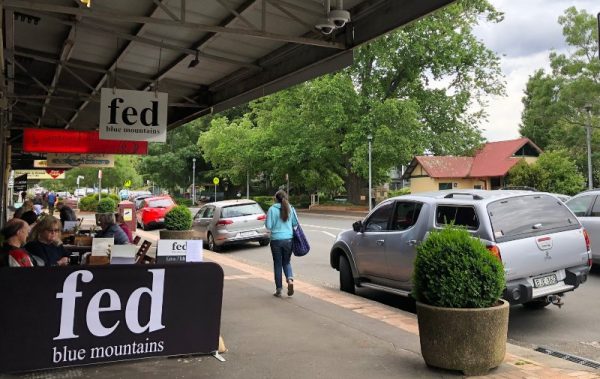
- Fed – Specialty coffee, tasty vegan and gluten-free options, modern cafe
Falls Mountain Retreat
If you want to stay near the falls without the fuss of a larger resort, the Falls Mountain Retreat is ideal. Modern self-contained studios and one/two-bedroom apartments come with everything you need for a romantic escape, think fireplaces, hydrotherapy spas, and no dated floral nonsense.
There’s a pond and gardens to wander, it’s pet-friendly, and walking distance to town. Perfect for couples who want comfort without the crowds.
Leura
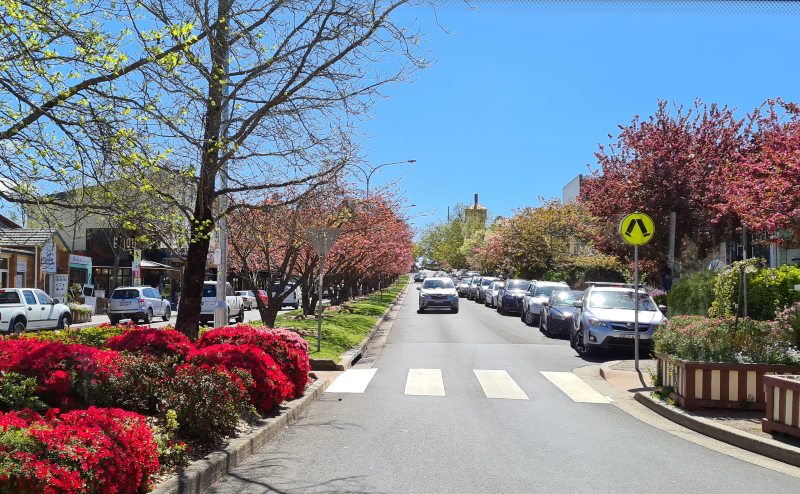
Leura is the most upmarket village in the mountains, known as the garden village for its private and public gardens. The main street, Leura Mall (not a shopping centre despite the name), is lined with trees and has original Edwardian shopfronts from the 1920s alongside independent boutiques.
The original inhabitants of this part of the mountains were the Dharug people, and at Lyrebird Dell in South Leura, archaeologists have dated findings back more than 12,000 years.
A coal mine in the 1880s attracted Western settlers, and the first major home in Leura appeared not long after. The railway opened in 1891.
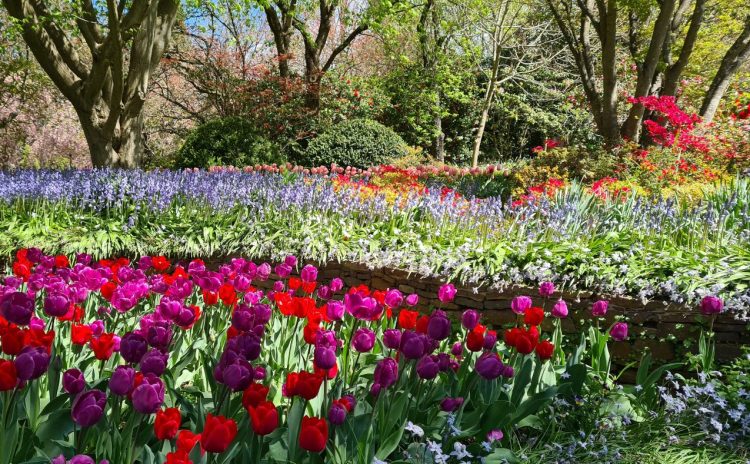
Spring is the best time to visit: cherry blossoms line the main street, and the private English-style gardens around the village are in full bloom.
Pros: no car needed. Transport, dining and shops are all within walking distance, and bus connections are good.
Cons: heavy with day-trippers and tour buses. Parking and traffic get bad during peak times.
Who should stay in Leura: if you want to browse the shops after a day’s bushwalking, this is the spot. It has the best shopping in the mountains, plus good cafes for anyone who’d rather not drive after dinner.
- Pros: No car needed. Everything’s walkable; transport, dining, shops. Good bus connections too.
- Cons: Very popular with day tours and day-trippers. Parking and congestion can be rough during peak times.
Who should stay in Leura: If you love a good poke around the shops after a day’s bushwalking, Leura is your spot. The village has the mountains’ best shopping, plus excellent cafes for coffee enthusiasts and foodies who prefer not to drive after dinner
Things to see in Leura
- Everglades – a historic 1930s garden estate with valley views and native plantings, set on 13 acres.
- Bygone Beauty’s Treasured Teapot Museum – a collection of vintage teapots and antiques.
- Sublime Point Lookout – views across the valleys to the escarpment beyond.
- Leura Cascades – a waterfall in a rainforest setting, best seen after rain when the flow is strongest.
Festivals and events in Leura
- Leura Garden Festival in October
Where to eat in Leura
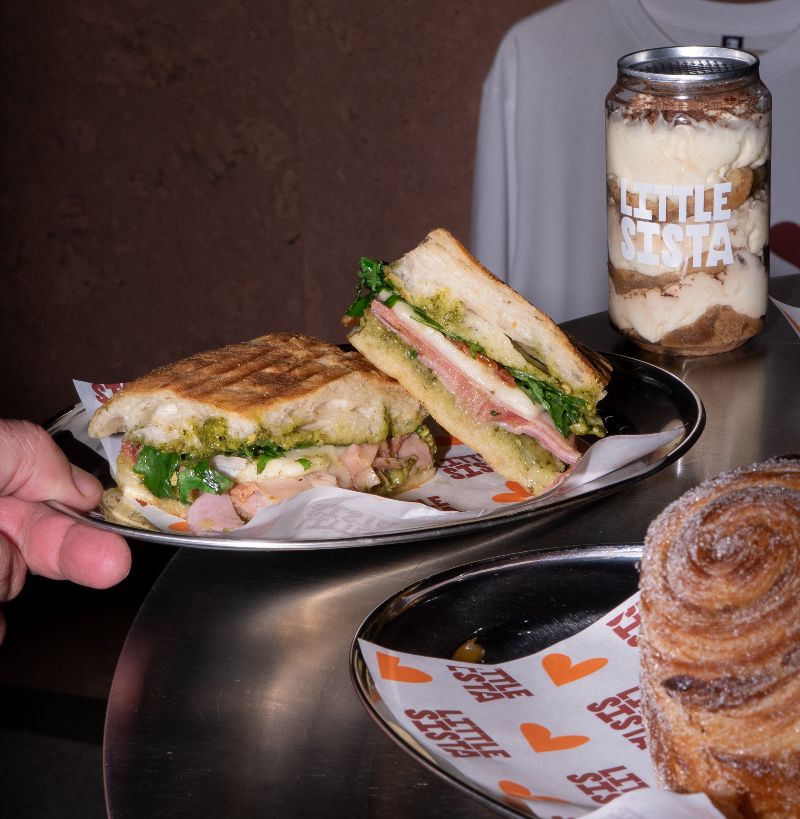
Little Sista – a focaccia-focused cafe from the family behind Cafe Leura. Handmade focaccia sandwiches, coffee, house-squeezed juices, and a retro 1960s vinyl lounge feel with a turntable running in the background. 4/130-138 Megalong Street.
The Leopard – a daytime deli that turns into a bistro at night, set in the old Leura Garage building. Stuffed focaccias, fresh pasta and bomboloni, led by former Machiavelli head chef Laurent Cambon. 84 Railway Parade.
Where to stay in Leura
The Fairmont Resort and Spa
The Fairmont Resort suits people who want all-inclusive comfort: multiple dining venues including the Two Doctors Whiskey Bar, tennis courts, daily yoga, and one of the best pool areas in the mountains.
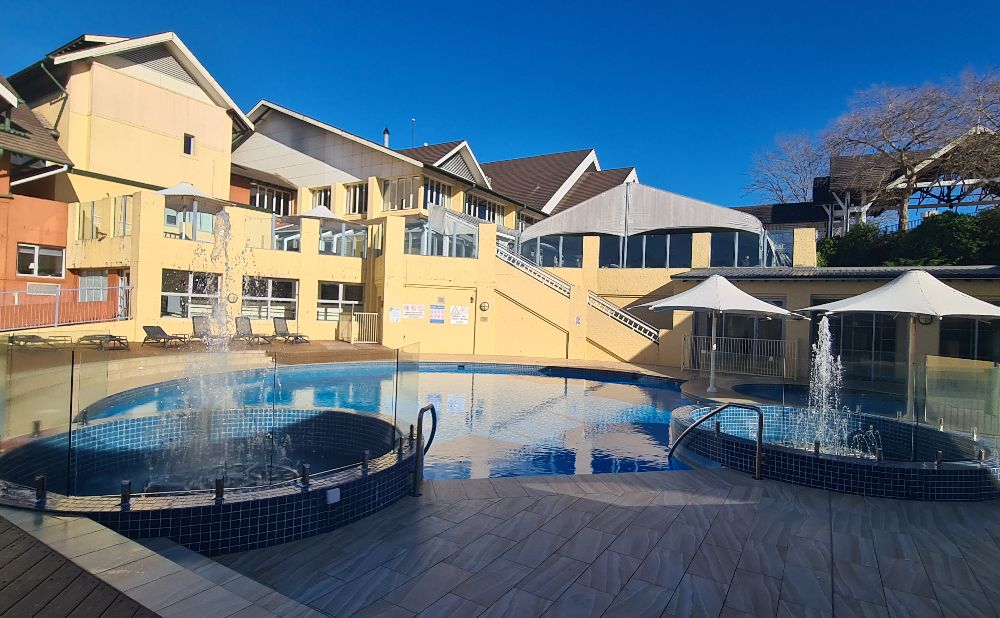
It’s bigger and busier than the other options here, especially during school holidays, when its Kidzone programme (the only one of its kind in the region) draws in families. If you’re travelling without kids, it’s worth avoiding those dates. For extended stays and family trips though, the facilities make it worth the trade-off, and it’s a good pick for a summer break where you don’t want to think about logistics.
Katoomba
Katoomba was first settled in the 1870s, when the railway brought Sydney’s elite here for cool mountain escapes.
Grand hotels like the Carrington drew visitors for the scenery and the mineral springs. The town has gone from Victorian resort to creative hub since then. Mountain Tales Walking Tours runs guided tours of Katoomba’s history if you want more detail.
The name Katoomba comes from the Aboriginal term Kedumba (or Katta-toon-bah), meaning “shining falling water.”
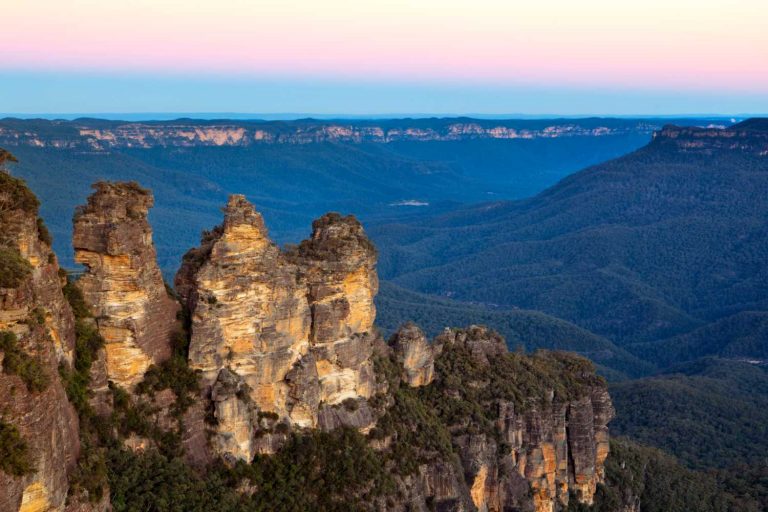
Katoomba is the administrative hub. This is where you’ll find supermarkets, outdoor gear shops, cafes, and all the regional services you need. Echo Point and the Three Sisters are here too.
Things to see and do in Katoomba
- Three Sisters – a well-known rock formation, lit up at night.
- Scenic World – railway, skyway and a rainforest walk with several viewpoints.
- Katoomba Falls – a waterfall with a bushland walking track.
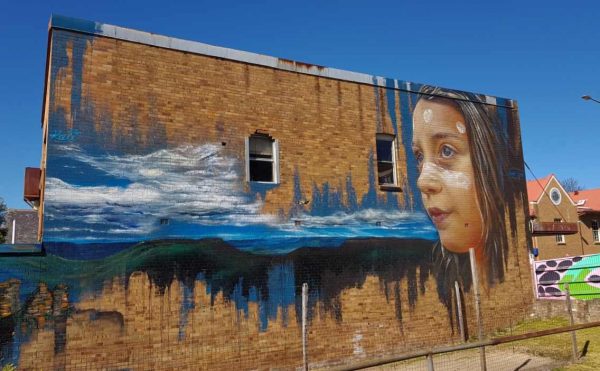
- Katoomba Street Art Walk – colourful murals in the lanes behind the main street.
- Eaglehawk Lookout – views across multiple valleys.
- Blue Mountains Art Gallery – contemporary and traditional Blue Mountains art exhibitions.
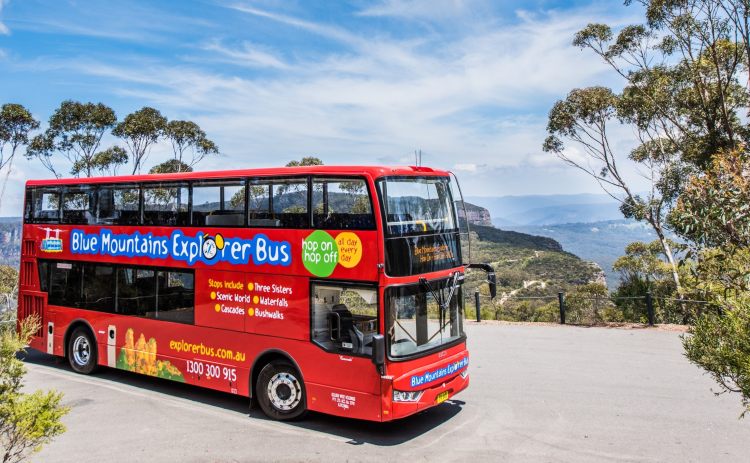
- The starting point for the Blue Mountains HOHO Bus – a hop-on-hop-off sightseeing tour with commentary.
Pros: everything you need for a stay without a car. The best public transport connections in the region, walking distance to Echo Point and the Three Sisters, and more affordable dining than the smaller villages.
Cons: the town centre doesn’t have the quaint feel of Leura. As the regional hub, it feels more like an everyday working town, with supermarkets and services rather than the boutique shopfronts you get elsewhere in the mountains.
Who should stay in Katoomba: best if you’re short on time and don’t have a car. There’s plenty of transport and walking-distance attractions.
Where to eat in Katoomba
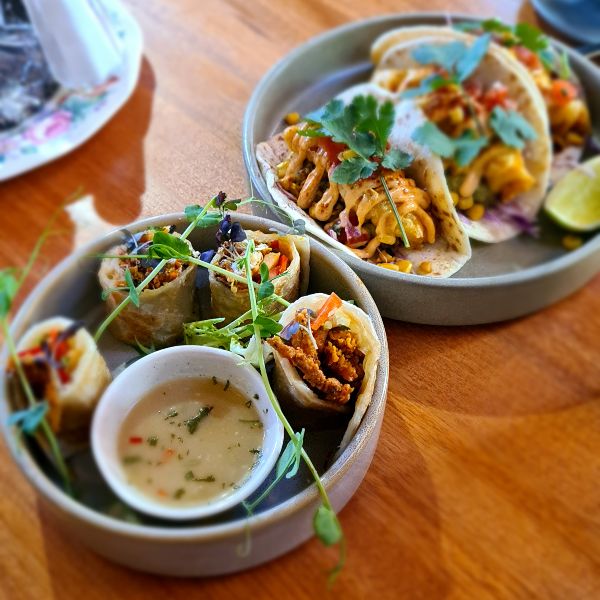
You might also like to check out our list of Afternoon Teas in the mountains.
- Mountain Culture – Great beer selection and gourmet burgers
- The Bowery – Fabulous breakfast, delicious share plates for lunch, vibrant atmosphere
- Avalon Restaurant & Cocktail Bar – recently relocated from the Savoy Theatre to the heritage estate Rubyston (formerly Pins on Lurline) at 132 Lurline Street, after 26 years in its old spot.
- Aunty Jacks – Classic burgers, craft beers and retro spiders (ice cream floats)
- The Bootlegger Bar – Low and slow BBQ, craft cocktails made with local gin, sophisticated bar atmosphere
- Hominy Bakery – Fantastic pastries and pies, always has vegetarian options
Have questions about things to see and do in the mountains?
Head over and join our Facebook Group and we will be happy to help.
Where to stay in Katoomba
Ardour Lilianfels Blue Mountains
We went to Lilianfels, and the grounds felt like a step away from the world despite being right in Katoomba. Two restaurants (including Miss Lilian’s Teahouse for Asian Street Food), bars, a billiards room, gym, spa, and multiple pools mean you don’t need to leave the property.
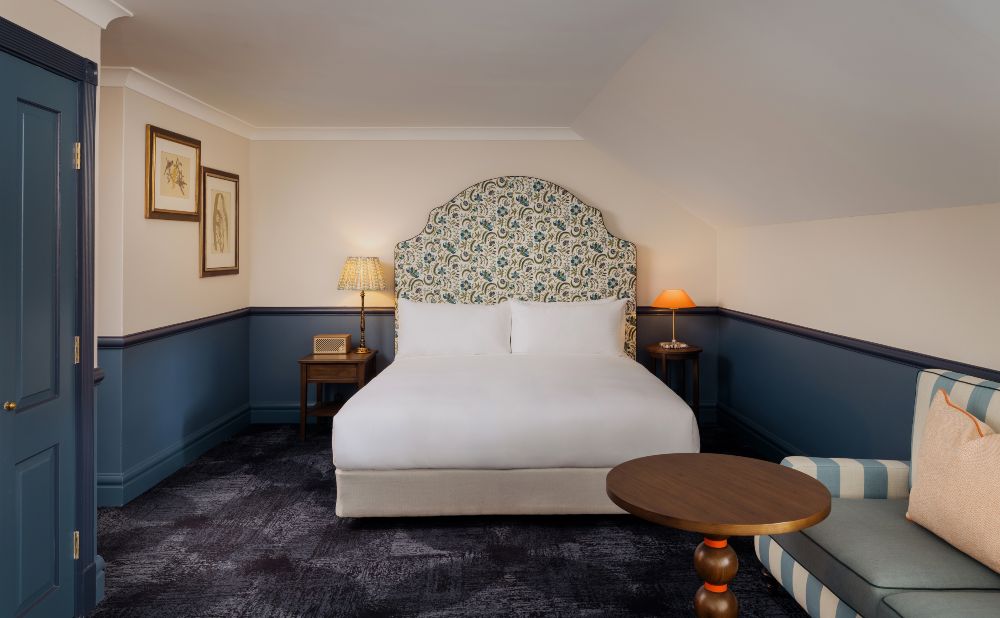
If you have stayed before you will immediately notice the florals are gone. A recent redesign by Luchetti Krelle swapped the old country house look for bolder colours, velvet, and marble finishes, and we’re fans of the change but we have not stayed since the renovation. We will write a full review as soon as we can visit.
The location is excellent just 3 minutes from the Three Sisters. The HOHO bus stops at the door. This is an excellent choice for travellers without a car who want a bit of luxury.
Tip: wander down to the Three Sisters after dark and see them lit up against the dark sky. Lights stay on until about 11pm.
The Carrington
The Carrington is one of the original grand hotels of the mountains, and it feels like it. It opened in 1883 and has been carefully restored, with period furnishings and details that keep its old-world character intact.
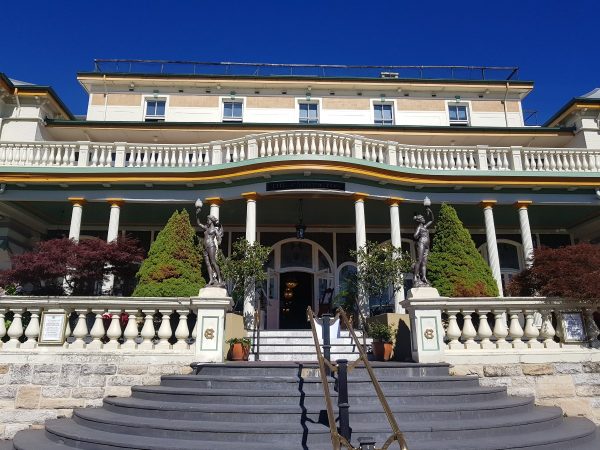
Don’t expect modern amenities, you won’t find them. What you get instead is character and a good location. The front verandah is a good spot for a drink in summer. Stay here if you want to feel like you’ve stepped back in time, and skip it if WiFi and modern comforts matter more to you.
Blue Mountains YHA
Right near the station with access to shops and transport, the YHA has dorms and private rooms, a communal kitchen, a fireplace that’s good for winter, and a pool table.
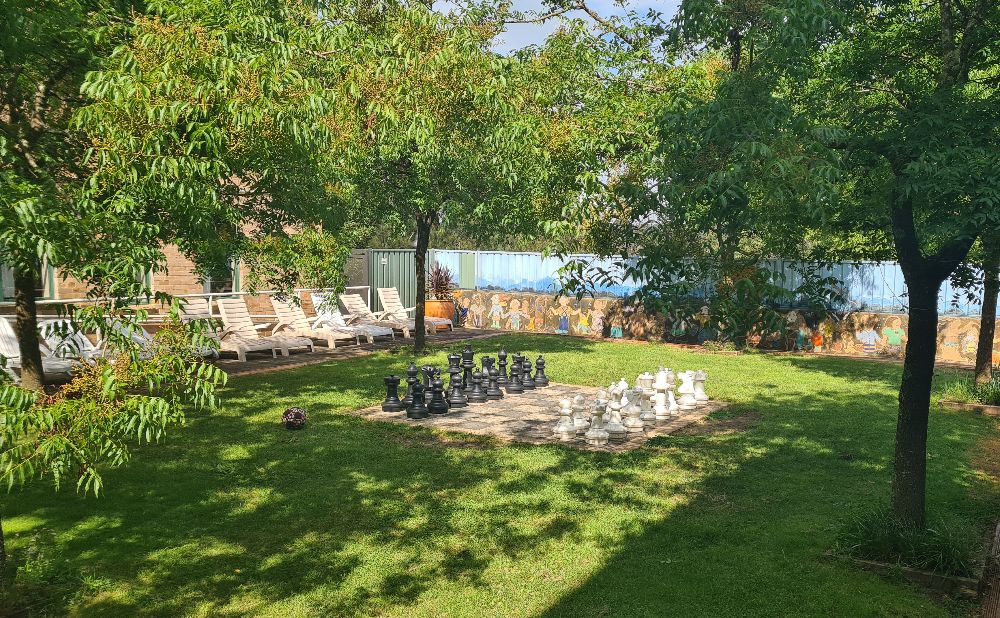
The rooms are basic and a bit dated, nothing flashy but the common spaces have been refreshed. Families, solo travellers, and anyone watching their budget will find this spot works well.
Medlow Bath
There’s one reason to visit Medlow Bath: the Hydro Majestic Hotel. The Megalong Valley views are excellent, and with minimal light pollution, the night sky is good for stargazing too.
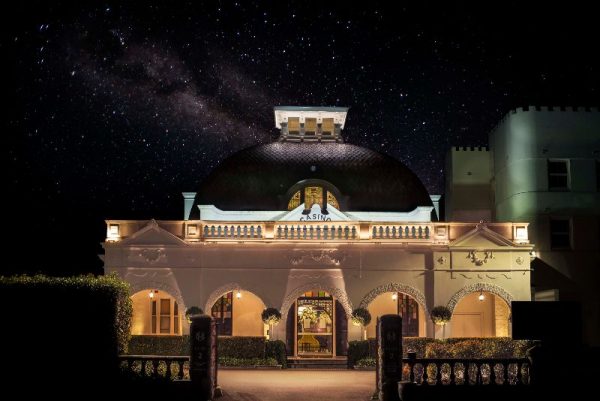
Pros: one of the most distinctive hotels in Australia, with Megalong Valley views, a clear night sky, and fine dining and high tea on site.
Cons: very limited accommodation, since there’s only one property in the village. No other dining or shopping nearby. It’s the most remote of the Blue Mountains villages.
Who should stay in Medlow Bath: best for those after a heritage luxury experience who don’t mind the isolation, couples on romantic getaways, art deco fans, or anyone keen to experience one of Australia’s most historically significant hotels. Only choose Medlow Bath if staying at the Hydro Majestic itself is the priority, since it’s essentially a one-property destination.
Where to eat in Medlow Bath
- Wintergarden Restaurant (Hydro Majestic) – Upscale dining in a stunning art deco room overlooking the Megalong Valley.
- Boiler House Restaurant (Hydro Majestic) – Casual spot for when you want proper food without formality.
Hydro Majestic at Medlow Bath
There’s a reason people book the Hydro Majestic. Built in 1904 by department store owner Mark Foy, this heritage-listed hotel blends Edwardian architecture with art deco details, and looks out over the Megalong Valley. The grandeur of both the view and the architecture attracted past guests including Conan Doyle and Dame Nellie Melba.
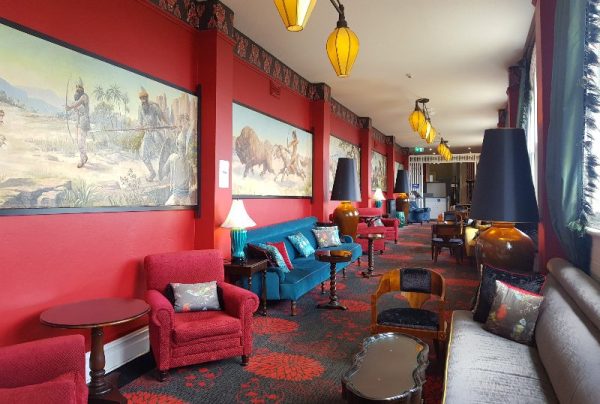
After years of restoration, the public rooms are worth seeing even if you’re not staying, especially if you like art deco design. Room styles vary (some have the valley view), there are two restaurants including the Wintergarden, and the whole place leans into its heritage rather than modernising it away. It’s a destination in its own right, not just somewhere to sleep.
On my only visit I stayed in one of the entry-level rooms with a Megalong Valley view, which is a big part of why people choose this hotel. The public rooms mix Edwardian and art deco styles and are worth a look even if you’re not staying overnight. There are two restaurants on site, including the Wintergarden.
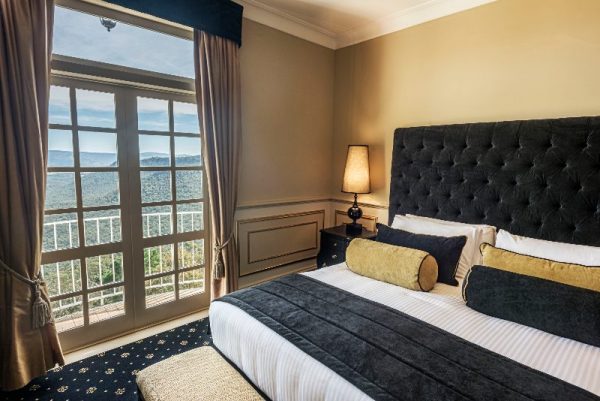
Even if you don’t stay the night, it’s worth stopping in for high tea and a look through the shop.
Blackheath
Charles Darwin visited in 1836. Donald Bradman once scored 256 runs in a local match. At 1,000m, it’s the highest point in the region. Three good reasons to visit on their own.
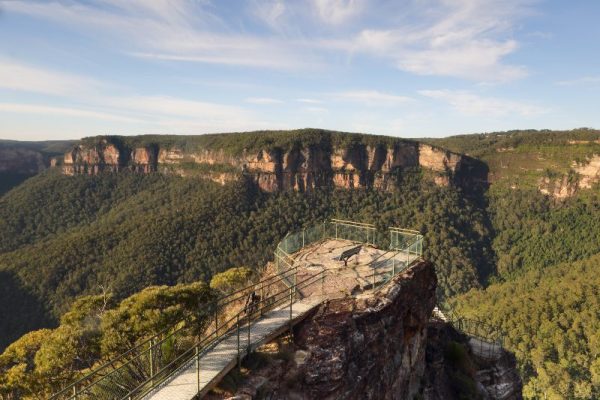
Blackheath is the only village with northern escarpment walks and lookouts, and it has the best views in the region, fewer tour buses, and good cafes and restaurants. It’s our favourite for a quieter getaway.
“This place having a black wild appearance I have this day named it Black-Heath.”
Governor Lachlan Macquarie
The area has many original workers’ cottages, now restored as homes for locals and holiday rentals for visitors staying a few days. On one visit, we stayed at Illalangi Cottage. You can read about our stay in Blackheath here.
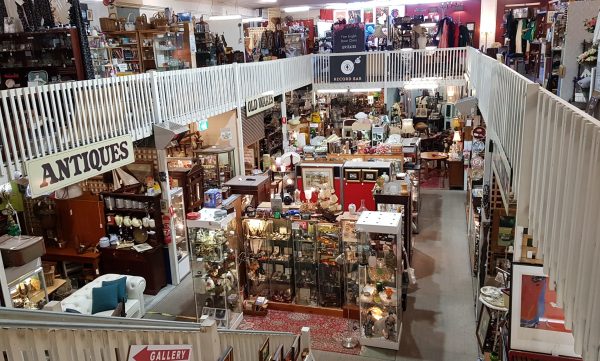
Blackheath sits just 11km north of Katoomba but can feel a world away from the pace of the other mountain villages, especially if you choose a cottage or cabin in the bushland here.
Things to do in Blackheath
- Govetts Leap Leap Lookout – a must-see
- Pulpit Rock Lookout – access has been recently renovated and it’s worth getting up early for sunrise.
- Evans Lookout – less visited, walk to Govetts Leap from here.
- Blue Mountains Heritage Centre – register before heading on long walks
- Victory Theatre Antique Centre – so much fun to fossick through
- Find Mermaid Cave – a hidden sandstone cave with a small waterfall
- Rhododendron Garden – particularly pretty in spring
- Grand Canyon track walk – considered one of the best trails in the mountains.
- Logan Brae Orchard – treat yourself to afternoon tea
- Blackheath Growers Market – Second Sunday of the month
Pros: good cafes and lookouts with fewer crowds than the lower villages, and some of the best views in the region
Cons: you’ll need a car, or you’re relying on frequent walking or taxis.
Who should stay in Blackheath: best for drivers and those who love bushwalking. Photographers will love the sunset and sunrise opportunities here. Lots of self-catering. Choose another village if you’d rather be in walking distance to everything.
Where to eat in Blackheath
- Blaq Restaurant and Cafe – hyper-local produce sourced directly from the onsite garden and local producers.
- Hounslow – a licensed cafe and restaurant on Govetts Leap Road, with a seasonal menu, specialty coffee, and a reputation for hearty breakfasts and lunches, including truffle-mayo beef burgers.
- Blackheath General Store – fine breakfast and lunch choice
Where to stay in Blackheath
There are a couple of hotels if you prefer these, but Blackheath has some fantastic holiday rentals and some charming bush cabins.
The Kyah
The Kyah is a converted motel, about 100 years old, redone as a stylish stay in the upper mountains. Rooms are a good size with quality linens.
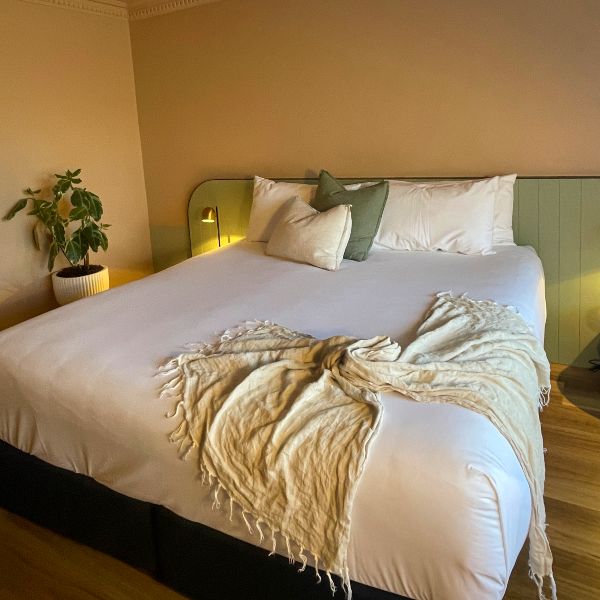
BLAQ, the on-site restaurant, uses produce from its own kitchen garden, and there’s a wood-fired hot tub, sauna, and free e-bikes to borrow. It’s 1.4km from Blackheath village centre and close to Evans Lookout. We loved it. (Full review here.)
It’s well located for exploring the upper Blue Mountains, especially if you are planning to hike the Grand Canyon.
Chalets Blackheath
Chalets Blackheath is four secluded eco-chalets that lean into the area’s Indigenous history without overdoing it, with native plantings, reclaimed timber, and rammed earth walls. Each chalet has a king bed, kitchen, fireplace, and a limestone bathroom with a freestanding tub and twin waterfall shower.
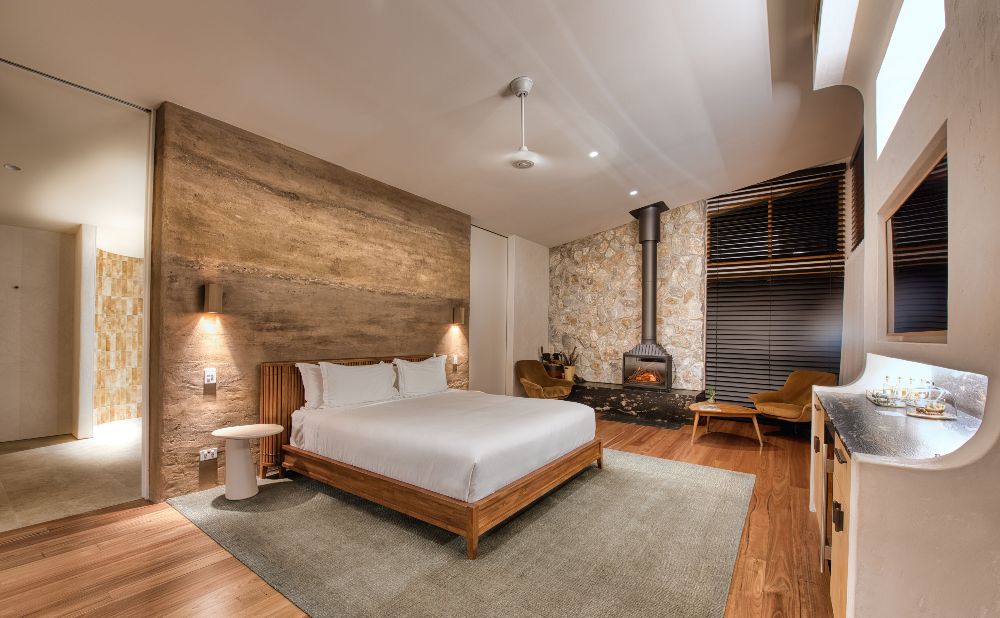
There’s a communal fire pit for roasting marshmallows, and it’s close to the Grand Canyon walk and Walls Cave. (Full review here.)
Illalangi Cottage in Blackheath
The Illalangi Cottage is exactly what a mountain cottage should be, walking distance to both shops and the valley lookouts that make Blackheath special.
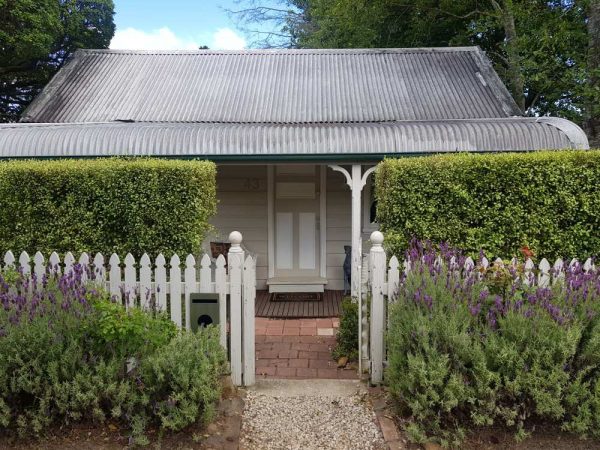
Charming, comfortable, and perfect for a getaway. (We wrote a full review with photos here.)
With a village in mind, the next step is sorting out the practical details, timing, weather, and how you’ll get around.
What is the weather like in the Blue Mountains?
Summer (Dec-Feb): Cooler than Sydney but still warm. Choose accommodation with air conditioning and consider a pool if budget allows.
Autumn (March-May): Perfect walking temperatures with gorgeous fall foliage. A favourite time for visitors.
Winter (June-Aug): Cold and sometimes snowy (expect occasional snow closures). Clear blue skies after foggy mornings make it excellent for walks. Dress warmly.
Spring (Sept-Nov): Peak season with cherry blossoms and blooming gardens. Still cool—bring a warm coat and beanie.
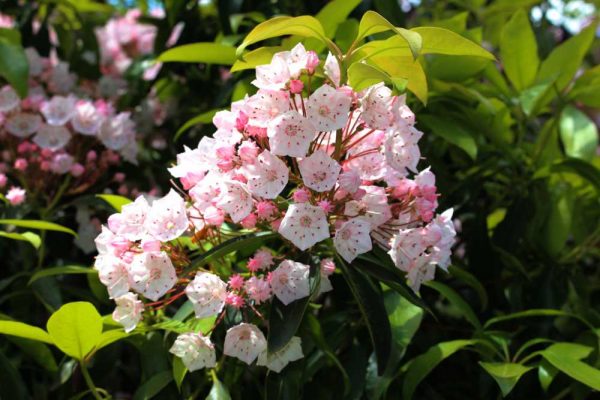
When is the best time to visit the Blue Mountains
Busiest times: Festival periods, Christmas-New Year, and winter (Christmas in July). Summer is quietest outside holidays. Spring and autumn attract crowds when gardens are at their best.
My pick: late April to mid-May for stunning autumn foliage and perfect walking weather. Book festivals in advance for better prices, and choose Tuesday-Thursday weekdays over weekends for best rates and fewer crowds.
When to Book Your Blue Mountains Accommodation
Book 1-2 months ahead for best choice and pricing, especially during festival periods. Budget accommodations can match nicer places in price if booked early, so plan ahead. Last-minute deals are rare during peak times. For groups of 4+, holiday rentals often offer better value and flexibility.
Festivals and events in the Blue Mountains
Book early for festival periods when availability tightens and prices double.
- Blue Mountains Music Festival in March
- Wentworth Falls Autumn Festival in April.
- Winter Magic Festival in late June
- Yulefest – July/August
- Blue Mountains Writers Festival in August
- Leura Garden Festival in October
- Blackheath Rhododendron Festival in early November
NSW School holidays and Christmas to New Year can be busy with local and international visitors.
Getting Around Without a Car
You don’t need a car to visit the Blue Mountains, it makes life easier, but it’s not essential.
Trains service all of these villages from Sydney and you can travel between all the towns by train. There is at least one train an hour with frequency increasing to 2 an hour in peak times. Download the Opal travel app if you plan on using these services to have the most up-to-date times on hand.
- Wentworth Falls to Katoomba takes 9 minutes
- Leura to Katoomba takes 3 minutes
- Katoomba to Medlow Bath takes 7 minutes
- Katoomba to Blackheath takes 13 minutes
The critical thing is that many of the best walks start 2km or so from the nearest train station, so you will need to factor in longer walking time or learn to use the bus services if you choose to stay near the village centres and not the escarpment.
Blue Mountains Local Buses for visitors
Buses can be useful for sightseeing, mainly if staying in an Airbnb or holiday rental without a car.
- 695 – Katoomba to South Leura Loop (Everglades stop) – Scenic loop connecting the main villages with stops at key gardens.
- 697 – Katoomba to North Katoomba Loop (Wentworth Falls Station and Leura Mall stops) – Connects the northern villages for shopping and dining.
- 685 – Katoomba via Wentworth Falls Lake and Leura – Full-day circuit through all three villages passing scenic lakes.
- 686 – Katoomba, Echo Point, Katoomba Falls Reserve and Scenic World – Essential route for major attractions at Echo Point.
- 698 – Katoomba to Blackheath and the National Park Heritage Centre – Northern escarpment access for walks and Heritage Centre.
Ready for More? Additional Blue Mountains Resources
Now that you’ve picked your town and booked your stay, here are some extra resources to help you make the most of your Blue Mountains trip.
- Self Drive Itineraries
- 50 Things to do in the Blue Mountains
- Easy Blue Mountains Bush walks
- Kid-friendly dining in the Blue Mountains
- 33 Blue Mountains Lookouts
I really do need to get back to the Blue Mountains. Living in Brisbane it really isn’t a long trip. Thanks for the tips and the reminder to make sure I visit again soon.
This is excellent! I’m not keen on Aus for the spiders but the hiking would be cool in the park which despite my fears, I’d love to do one day! Wentworth falls looks fantastic as well! For sure saving this to plan when the times comes to go. I’m not a huge artsy person but the Hydro Majestic looks beautiful to stay in and photograph. Thanks for this!